NC Level 6 Music: Live Performance Assessment

25th March 2019, 12:00-16:00

1 Electric Avenue – Eddy Grant
2 Stand and Deliver – Adam and The Ants

Electric Avenue – Eddy Grant – 3 Minutes 10 Seconds

Vocals – Natasha McDonald
Guitar – Callum Morrison
Bass – Finn Kennedy
Bass – William Kerr
Drums – Liam Allan

Eddy Grant started his career in The Equals in 1965. The band saw several Top 40 hits in the UK. Grant departed The Equals due to health difficulties and proceeded to work for years as a songwriter for various labels in the UK while also releasing music under his own name. In 1981 after the Brixton Riots Grant left the UK for Barbados and in transit lost all the music for his upcoming album. This was one of the songs written to make up the lost material. Grant wrote Electric Avenue as a direct response to the Brixton Riots and the title makes reference to the Brixton area. On the back of a successful music video the song reached number 2 in both the USA and UK.

Despite the negative setting of the song it maintains a positive feeling throughout. The minimalist line up of Drums, Guitar and Keyboard leave plenty of space for the vocals to deliver Grant’s message. The song has a simple pop structure with the keyboard holding a major tonality throughout with the drums holding a straight driving 4/4 beat throughout that almost seems for marching to. Grant’s guitar remains sparse throughout being used to punctuate his vocals and giving his message of the communities need to come together during difficult times.

Lyrics
Boy
Boy
Down in the street there is violence
And a lots of work to be done
No place to hang out our washing
And I can’t blame all on the sun, oh no
We gonna rock down to Electric Avenue
And then we’ll take it higher
Oh we gonna rock down to Electric Avenue
And then we’ll take it higher
Workin’ so hard like a soldier
Can’t afford a thing on TV
Deep in my heart I’m a warrior
Can’t get food for them kid, good God
We gonna rock down to Electric Avenue
And then we’ll take it higher
Oh we gonna rock down to Electric Avenue
And then we’ll take it higher
Oh no
Oh no
Oh no
Oh no
Who is to blame in one country
Never can get to the one
Dealin’ in multiplication
And they still can’t feed everyone, oh no
We gonna rock down to Electric Avenue
And then we’ll take it higher
Oh we gonna rock down to Electric Avenue
And then we’ll take it higher
Out in the street
Out in the street
Out in the daytime
Out in the night
We gonna rock down to Electric Avenue
And then we’ll take it higher
Oh we gonna rock down to Electric Avenue
And then we’ll take it higher
Out in the street
Out in the street
Out in the playground
In the dark side of town
We gonna rock down to Electric Avenue
And then we’ll take it higher
Oh we gonna rock down to Electric Avenue
And then we’ll take it higher
We gonna rock down to Electric Avenue
And then we’ll take it higher, Electric Avenue
We gonna rock down to Electric Avenue
And then we’ll take it higher, Electric Avenue

Stand and Deliver – Adam and The Ants – 3 Minutes 34 Seconds

Vocals – Jordan Watson
Guitar – Callum Morrison
Guitar – Ryan Sheerer
Guitar – Murray Bailey
Bass – Will Kerr
Drums – Mark Pennell
Percussion – Connor Craig

The band originally formed under the name The Ants in London in 1977 before changing their name in October of the same year. Initially struggling to gain a footing due to constant line up changes and poor reviews due to their sexually explicit lyrics it wasn’t until their third and final album that Adam and The Ants found mainstream commercial success with Stand and Deliver reaching number 1. Adam Ant wrote the song making fun of music who labelled them as part of the New Romantic movement that was quickly following popularity despite the band having a completely different sound.

The song starts with a fast galloping rhythm played on a tom drum which maintains the high energy mood of the song throughout while a full drumkit plays a more traditional rock beat. Soon the guitar and bass join the rhythm of the tom drum to build more energy with a simple major key hook with a childlike melody gives a light-hearted feel. The songs major tonality, classic verse/chorus structure and less refined playing style of the fast strumming on the guitar and bass give a classic punk feel and the relaxed and happy nature of the song provide a perfect backdrop for Ant’s vocals to jovially poke fun at the New Romantic acts at the time.

Lyrics

Stand and deliver!
I’m the dandy highwayman
Whom you’re too scared to mention
I spend my cash
On looking flash
And grabbing your attention
The devil take your stereo
And your record collection
The way you look, you’ll qualify
For next year’s old age pension!
Stand and deliver
Your money or your life
Hoh!
Try to use a mirror
Not a bullet or a knife
Hoh
!I’m the dandy highwayman
So sick of easy fashion
The clumsy boots, peekaboo roots
That people think so dashing
So what’s the point of robbery
When nothing is worth taking?
It’s kind of tough to tell a scruff
The big mistake he’s making
Stand and deliver
Your money or your life
Hoh!
Try to use a mirror
Not a bullet or a knife
Hoh!
And even though you fool your soul
Your conscience will be mine
All mine
We’re the dandy highwaymen
So tired of excuses
Of deep meaning philosophies
Where only showbiz loses
We’re the dandy highwaymen
And here’s our invitation
Throw your safety overboard
And join our insect nation!
Stand and deliver
Your money or your life
Hoh!
Try to use a mirror
Not a bullet or a knife
Hoh!
Even though you fool your soul
Your conscience will be mine
All mine
Qua qua
Da diddly qua qua
Da diddly qua qua
Da diddly qua qua
Stand and deliver!
Stand and deliver!
Stand and deliver!
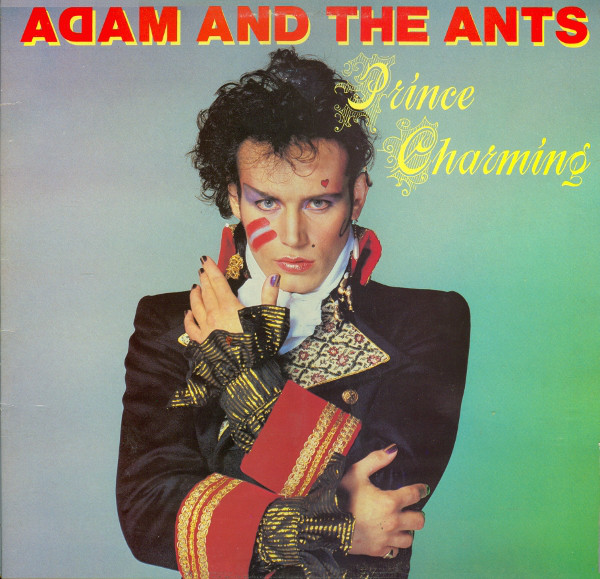

“Stand and Deliver” by Adam and The Ants

“Stand and Deliver” appeared on the 1981 Adam and The Ants’ Prince Charming album

Stand and Deliver is a pop rock track that was released by Adam and the Ants. It was recorded in Air Studios in London and was released by CBS Records. The song served to poke fun at the New Romantic movement that had appeared towards the end of the 1970s by making fun of the extravagant dress sense, ironically adorned by the band itself, and how the music industry praised musicians who had conformed to the style and shunned musicians who didn’t.

As well as making the listener think negatively about the New Romantic movement the music also serves the purpose of energising the listener. The song starts of at a fast tempo in C Major and follows a simple verse/chorus structure that repeats 3 times until a middle 8 section that leads into a final chorus with the key changing to E Major. Introducing the song is a hook on the guitar which becomes a main motif throughout the piece appearing at the end of verses and throughout choruses.

The song makes use of a line up of Guitar, Bass, Harmonica, and two Drummers with Adam Ant on Vocals with each respective member also adding backing vocals. To add to the already robust line up Adam and The Ants were early adopters of sampling techniques which can be heard at the start of the track. The harmonic structure of the song is very simple sticking to a simple 1 – 5 – 4 progressions throughout playing simple major triads. The playing style is equally simple with a visceral feel that is reminiscent of punk music. Vocally Adam Ant has a very wide range and the members of the band all use their individual vocal ranges to give a massive range melodically within the vocals.

“Overtime” by Knower and Sly and The Family Stone’s “I Wanna Take You Higher”.

Overtime appeared on Knower’s Life album released on the 5th of February 2016 on their own label


Overtime is a modern funk track by an electronic group from Los Angeles called Knower. The track originally appeared on their 2016 album “Life” but was re-recorded with a live band for YouTube the following year in “some guy’s house” according to the video’s description. This follows a particular trend in electronic artists music where alternative versions of the song are produced to make a live show seem more interesting and the live version is the version I’ll discuss here.

This track definitely serves to energise the listen and is clearly for dancing to and is targeted at a younger, nightclub attending, audience. Also though this live version definitely highlights the performers skills with solos from various instruments. This rendition makes use of Keyboards, Saxophone, Bass and Drums. The female vocal sitting on top of the track is a clearly stylised voice for dance or electro music and doesn’t sound out of place here. While there is no use of sampling the song makes use of one section with a backing vocals. These, however, were overdubbed later on by the lead singer on the track and not performed live as there was no backing singers there. The vocals are not typical of funk music and follow a style more common in electronic music but this is not surprising considering that Knower are actually an electronic band.

The song has a major tonality through out and mostly maintains a fast tempo apart from a half time breakdown during the solo sections. Structurally the song contains a simple verse/chorus structure throughout. Harmonically the song has a lot of diversity making use of simple triads balanced out with some minor 7th chords thrown in. The vocal melody is broken into small phrases while the hook on the keyboard is contrasty a smooth flowing descending chord sequence

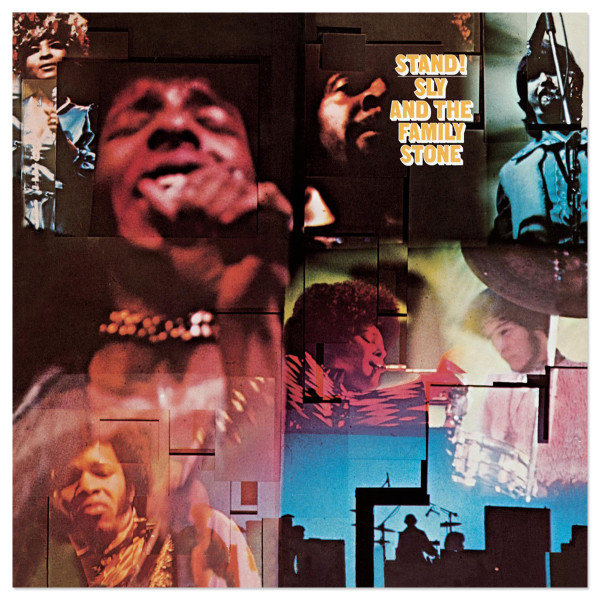
“I Wanna Take You Higher” appeared on Sly and the Family Stone’s album “Stand!”.

“I Wanna Take You Higher” is a funk song that appeared as a B-Side for Sly and the Family Stone’s 1969 album “Stand!”. The piece was written by the band’s primary songwriter, Sylvester Stone, and recorded by the band at the Pacific High Recording studios in San Fransisco and was released by Epic Records. Unlike a lot of the Family Stone’s music this track does not attempt to send a message to the listener. This song is instead is a celebration of music. It serves the purpose of making the listener dance and feel excited. The song makes use of both lead Male and Female vocals as well as backing vocals. The instrumental line up is made up of Keyboard, Harmonica, Guitar, Bass, Drums and a Horn section made up of a Trumpet and a Tenor Saxophone.

The song starts with a descending guitar lick in A minor which is used as a motif throughout the song to bridge sections. The song follows a traditional verse/chorus structure for the most part taking breaks between some verses to allow some soloing from the harmonica, guitar and saxophone. The song feels like a jam and has a driving energy from the drums. The song is harmonically very simple as it vamps on an A minor chord for the majority of the verse and chorus with dynamics building all the way through to the recurring guitar motif that resets the energy for it all to build again.

The lyrics discuss the beat of the music and the need to move and dance to the music. Gospel influenced backing singers come in during the choruses as well as providing vocables such as “boom shaka-laka-laka” during the various instrumental sections.

Comparatively we have two great examples that show the diversity of funk. Knower’s Overtime delivers a stunning virtuosic performance with a small group of musicians all being at the top of their game. In contrast The Family Stone offer a track which has more of a jam of a large group of musicians simply trying to build up energy. I wanna Take you Higher makes use of very few chords mainly focusing on vamping on A minor while Overtime offers a large harmonic range. Despite these difference there are also some clear similarities between the two tracks. Both songs make use of a saxophone as well as having a strong driving drum beat and groove laden bass lines. They also both make use of backing singer (live or overdubbed) to reinforce the message of the lead vocal throughout the song.

“Mount the Air” by The Unthanks and “The Well” by Smog

In this blog post I’ll be looking at two songs that are considered Folk. Folk is a widespread genre that can mean many things to many people. I’ll look at these two songs separately and then compare and contrast them in my summary.

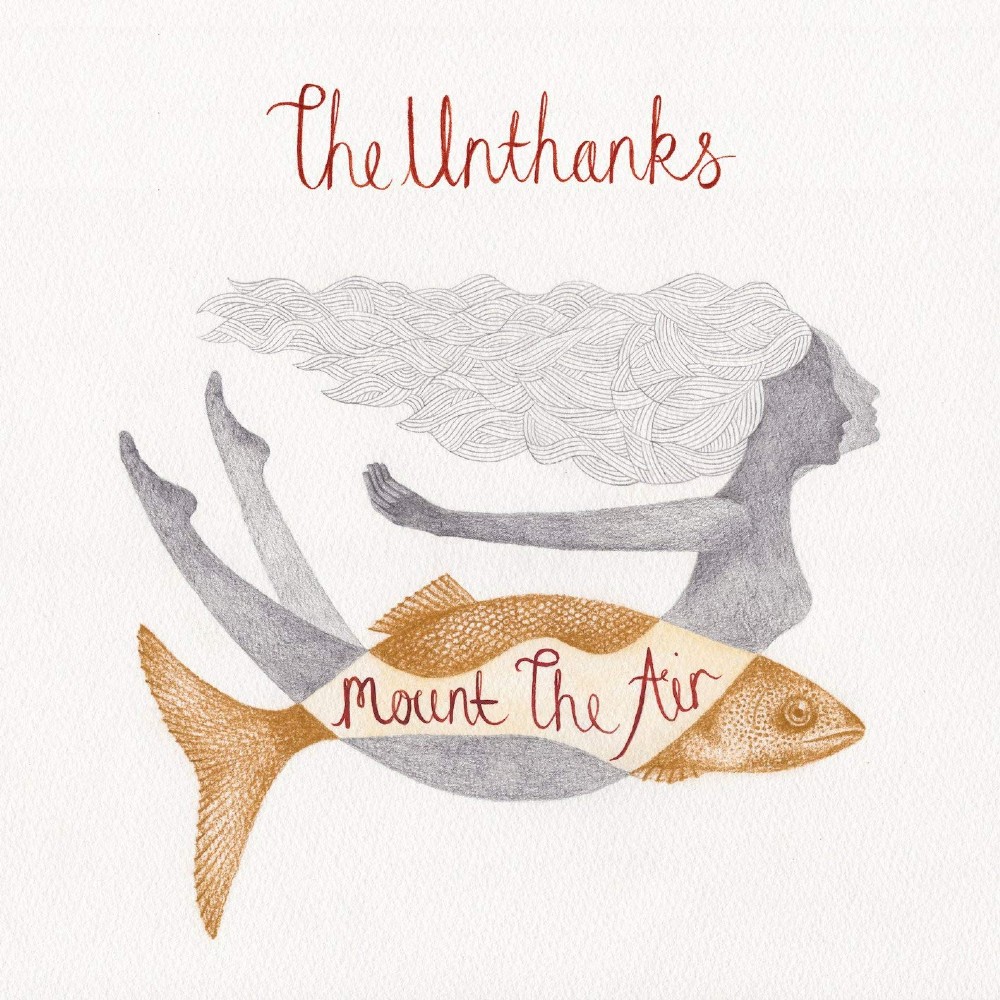
Mount the Air was released in early 2015

The Unthanks are a band famous for blending different genres of music with traditional Northumbrian folk music. Mount the Air stays true to that formula by fusing a modern jazz sound with very sleek production and fuses it with classic folk melodies. The song mostly serves the purpose of giving a sense of melancholy to the listener while also telling the story of a woman desperately searching for her lost love.

The song slowly builds in a minor key with arpeggios being played on a harp. A brass instrument then fades in playing the main theme of the piece over a piano giving a very jazzy feel. Harps, flutes, fiddles and cellos are added in bringing a more traditional folk feel to the sound. The song maintains a slow tempo for the majority of the song though it speeds during the third verse and a large instrumental section in the middle of the song to return to its somber slow pace of the original verse. The song uses a very basic harmonic structure that only uses eight chords and puts more stress on the dynamics of the instrument to create the different feels that mark each new section.

When the vocals come in they gently take over from the brass section keeping the main theme of the piece as the vocal melody. The almost medieval melody gives a natural tone to the narrative of the story and works well with the walking pace of the rhythm found in the song. The lyrics discuss how a woman has lost her lover and would do anything to find them. She discusses becoming a fish and a deer in order to find her love but these are simply metaphors for searching the mountains and the oceans in order to find her love.

Mount the Air was recorded between 2012 and 2014 in The Unthanks own studio by Adrian McNally who wrote the piece and played a large number of the instruments used. It was released on the 9th February 2015 by Rabbie Rouser and won the best album award in the BBC Radio 2 Folk Awards in 2016.

The Well by Smog is an alternative folk song with heavy american country influences. The song has a very clean but simple production. The song serves the purpose of providing some easy listening entertainment while also telling the story of a man discovering an abandoned well in the woods.

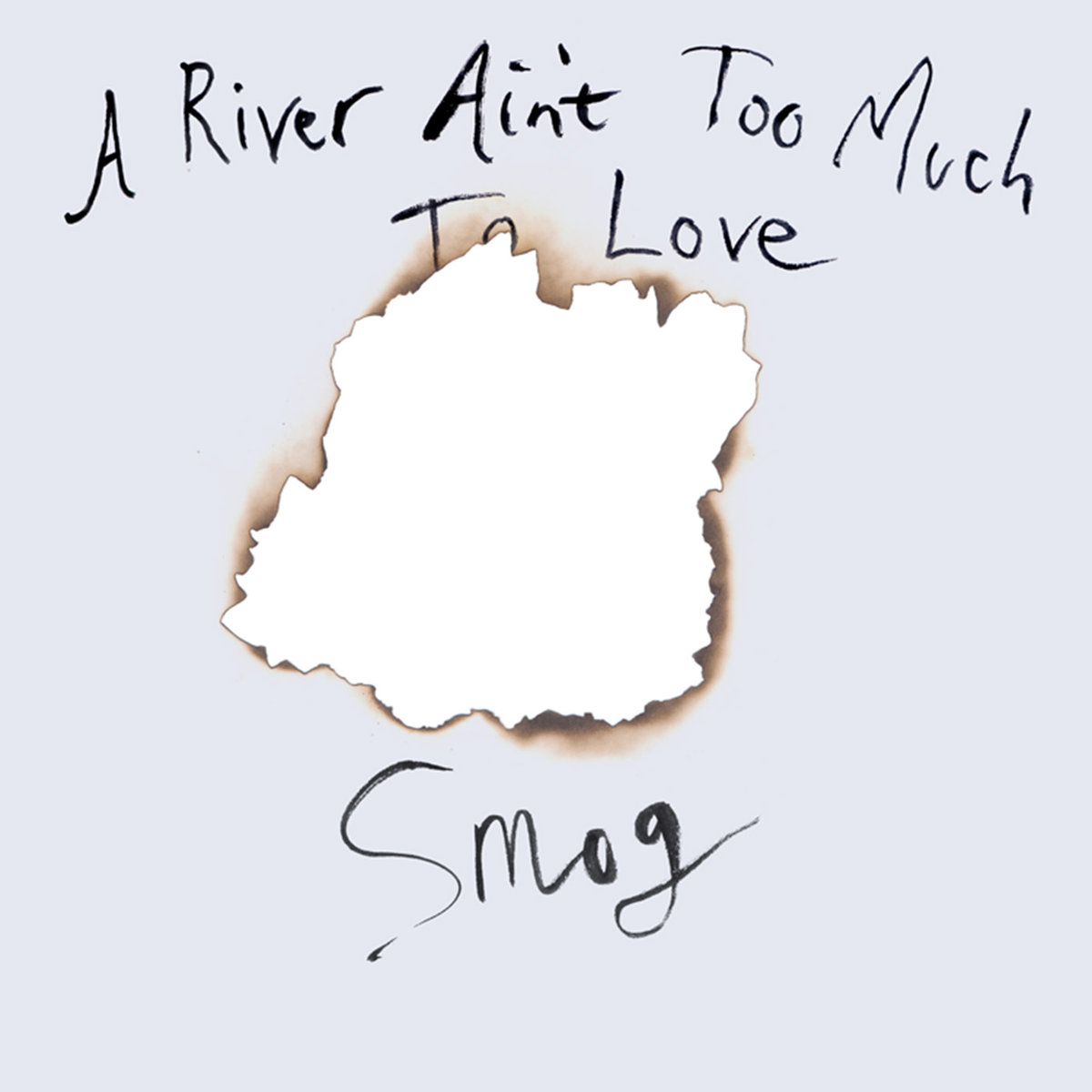
A River Ain’t Too Much To Love was released in 2005

The song sets of with a major key with some guitar notes and the performer introducing the song. Then arpeggios come from the guitar at a mid tempo as the drums, bass and fiddle gradually join in. Though the mid tempo of the intro is maintained for the majority of the song there is a free flowing feel to the tempo that would suggest this was recorded live or at least with no click track. There are moments where throughout the song where the tempo makes a sudden drop for dramatic effect. The songs harmonic structure is incredibly simple and only makes use of two chords in the whole piece. This works for this song as there is no clear verse or chorus and instead uses the instrument dynamics to help give each part of the songs story a distinct feel.

The vocals of the song are incredibly conversational and more resemble a man rambling than they are actually singing. He sings in a southern drawl with a very narrow range. The song tells the story of a man who smashed a bottle in the woods and while picking it up stumbled on an old abandoned well.

The song was recorded in 2004 in Spicewood, Texas and appeared on A River Ain’t Too Much to Love. It was released in 2005 under Drag City Records and was the final album released under the Smog moniker before the artist started using his own name Billy Callahan.

In conclusion we have two very different examples of folk. The two have elements in common. They both serve to tell you a story which is a common trope of folk music. They also make use of indigenous music from the regions they were written in although this has resulted in two very different sounds. They also offer many points of difference. Smog makes use of a very simplistic two chord formula and flows along with no distinct feeling of individual sections. Instead The Unthanks break up solid verses with fantastic instrumental sections and have much more harmonic diversity within their songs. This gives a stronger sense of structure. The top melody in both songs are used in incredibly different ways. The vocals from the two sisters who sing Mount the Air is sang very melodically in an old traditional folk fashion. This melody is often repeated by the instruments on the track. The vocal in The Well is comparatively more conversational and give more of the feeling of someone sat down telling you a story rather than singing you a song and is at no point repeated by any of the instruments. The instrumentation itself also drastically differs. While The Well makes use of a smaller four piece made of percussion, guitar, bass and fiddle The Unthanks make use of piano, cello, fiddle, harps, flutes, trumpets, flugelhorns and various percussive instruments to create a more fleshed out sound. These two songs make fantastic examples of the huge range that the genre of folk music has.